Cherry Xtrfy Mx 10 1 Wireless vs Apple Studio Display Xdr Review: Performance, Price, and Verdict
Introduction
When it comes to creating a high-performance, satisfying workstation, the peripherals you choose can make or break your daily experience. Over the last several months, I’ve had the opportunity to invest deeply in two pieces of tech that cater to distinctly different — yet crucial — needs: the Cherry Xtrfy Mx 10 1 Wireless keyboard and the Apple Studio Display XDR monitor. While one is the nerve center for every keystroke, shortcut, and command, the other serves as the visual portal into everything I do, from photo editing to reading technical documentation.
Both products come with substantial reputations and premium price tags — and after using them thoroughly in my daily workflow, I’ve developed strong opinions on what they get right and where they fall short. If you’re in the market for a premium keyboard or display to take your laptop setup to the next level, this review should help you decide which of these high-end products, if any, deserves a spot on your desk.
The Contenders: An Overview
Before diving into my hands-on experiences, here’s a snapshot of what each device brings to the table:
- Cherry Xtrfy Mx 10 1 Wireless: A highly customizable wireless mechanical keyboard designed for enthusiasts, professionals, and anyone who values tactile precision and build quality.
- Apple Studio Display XDR: Apple’s flagship 27-inch display, engineered to match the color accuracy and brightness of top-tier professional monitors, paired with that unmistakable Apple aesthetic — and price point.
First Impressions & Setup
Cherry Xtrfy Mx 10 1 Wireless: From Unboxing to Desk
Right out of the box, the Cherry Xtrfy Mx 10 1 Wireless impresses with its build quality. The brushed aluminum chassis feels robust, and the subtle weight hints at durability without feeling unwieldy. Setup was straightforward — pairing with my MacBook and Windows laptop was seamless over Bluetooth, and the included USB dongle worked flawlessly for lag-free wireless or wired operation.
I appreciated the inclusion of extra keycaps and the keycap puller, which signaled Cherry’s attention to enthusiast preferences. Within minutes, I was customizing the RGB underglow and mapping macros with their software. While not as advanced as some open-source options, the configuration utility worked well for 95% of my needs.
Apple Studio Display XDR: An Unmatched Statement Piece
As with most Apple products, the Studio Display XDR arrives in packaging that feels almost ceremonial. Lifting it onto my desk was an experience in itself — the display’s minimalist lines and the nanotechnology-backed glass immediately set a premium tone. Setting it up took little more than connecting the Thunderbolt cable to my MacBook Pro; macOS instantly recognized and configured the panel for the full 5K resolution.
The adjustability (I opted for the tilt- and height-adjustable stand, which, yes, costs extra) is smooth and precise. Even after months of use, I still catch myself pausing to appreciate the clarity and color fidelity of the panel during a late-night photo editing session.
Daily Performance and User Experience
Living With the Cherry Xtrfy Mx 10 1 Wireless
After integrating the Cherry Xtrfy Mx 10 1 Wireless into my everyday workflow, several things stood out. Typing experience is as good as mechanical keyboards get — the Gateron Red switches on my unit are buttery smooth, quiet enough for a shared office, and offer fatigue-free typing during long stretches. Hot-swappable switches are a boon for enthusiasts; I swapped in a couple of tactile browns for programming sprints, and the keyboard handled the change without issue.
Looking for the best Laptops & Computers deals on Amazon?
See Deals →The low latency wireless mode is flawless — a pleasant surprise when gaming or editing video. The battery lasts just over two weeks with RGB lighting set to medium brightness, which is respectable but not extraordinary. Charging via USB-C is quick, and you can keep using the keyboard while it charges.
On the downside, I found the companion software to be functional, but sometimes clunky. Occasional firmware hiccups meant I had to re-pair the device once or twice after big OS updates. The metal chassis, while premium, does amplify keystroke noise on some tables — something I only noticed after a week or so, especially during late-night work.
Working (and Watching) on the Apple Studio Display XDR
If you crave pixel density, brightness, and true-to-life color, the Studio Display XDR certainly delivers. I tested it with everything from XDR-enabled HDR footage to everyday web browsing, and there’s a consistent “wow” factor in how vivid and realistic everything appears. 218 ppi at 27 inches makes text razor-sharp, and the viewing angles are superb for collaborative work.
The built-in speakers are genuinely impressive for a monitor. They fill my small office with more detail and punch than I’d expected — enough that I often skip connecting external speakers for casual music or conference calls. The built-in webcam and Center Stage feature feel like afterthoughts, though. The camera still lags behind a good standalone webcam, and some colleagues noted that noise crept in during less-than-perfect lighting.
One thing that bothered me: the lack of ports. Apart from Thunderbolt and three USB-C ports, there’s no HDMI or DisplayPort, so connecting non-Mac laptops means buying extra adapters. At this price, that feels like nickel-and-diming.
Pros & Cons
Cherry Xtrfy Mx 10 1 Wireless
- Pros:
- Exceptional typing feel with customizable switches
- Dual wireless (Bluetooth and 2.4 GHz) and wired connectivity
- Sleek, durable aluminum construction
- Respectable battery life and easy USB-C charging
- Enthusiast-friendly (hot-swappable, PBT keycaps)
- Cons:
- Clunky/limited configuration software compared to open-source alternatives
- Metal chassis can slightly amplify switch noise
- Firmware hiccups after some OS updates
- Price is high for a keyboard, even among mechanicals
Apple Studio Display XDR
- Pros:
- Astounding image clarity and color accuracy
- Bright enough for professional-grade HDR work
- Stunning, minimalist design and premiumness
- Excellent integrated speakers
- Tilt and height adjustment (with optional stand)
- Cons:
- Very expensive, especially with upgrades
- Limited port selection (no HDMI/DisplayPort)
- Webcam is serviceable, not stellar
- Nanotexture glass requires careful cleaning; scratches easily
- macOS optimization — not ideal for Windows users
Feature Comparison Table
| Feature | Cherry Xtrfy Mx 10 1 Wireless | Apple Studio Display XDR |
|---|---|---|
| Type | Mechanical Keyboard | Professional Display |
| Wireless Connectivity | Bluetooth, 2.4GHz, USB-C | N/A (Requires wired Thunderbolt/USB-C connection) |
| Customization | Hot-swappable switches, RGB lighting | Color profiles, tilt/height adjustment (optional) |
| Battery Life | ~2 weeks (RGB on) | Not battery powered |
| Display Specs | N/A | 27" 5K Retina, 600 nits brightness, P3 wide color |
| Audio | N/A | Integrated 6-speaker system |
| Port Selection | N/A | 1x Thunderbolt 3, 3x USB-C (No HDMI/DP) |
| Price (approximate) | Premium (compared to other mechanicals) | Very Premium (especially with options) |
| Ideal For | Enthusiasts, typists, pro users | Pro-level creatives, Mac users, color-critical work |
Which Should You Buy? A Buying Guide
Who is the Cherry Xtrfy Mx 10 1 Wireless For?
If you spend all day at your laptop typing long emails, programming, or simply value the art of a good keystroke, the Cherry Xtrfy Mx 10 1 Wireless is worth considering. Its hot-swap capability and quality switches mean you won’t outgrow it. Gamers who care about low latency and professionals who switch between devices will also enjoy its flexibility.
However, if you just want a keyboard that works out of the box and never need customization or premium build quality, frankly, you’re paying for features you might not use.
Who should consider the Apple Studio Display XDR?
This display is meant for those who demand the absolute best in image fidelity, especially if you’re in the Apple ecosystem. Photographers, video editors, and designers working in color-critical environments will appreciate what the Studio Display XDR offers. For everyday office work or web browsing, however, its price is hard to justify — and Windows users will encounter quirks (such as less-than-perfect scaling and color management).
Looking for the best Laptops & Computers deals on Amazon?
View Offers →What really tipped the scale for me was how much I rely on professional-level calibration for my photo and video work. If you’re in the same boat, it’s a justifiable upgrade.
Don’t Overlook Compatibility and Ergonomics
Before hitting “buy,” keep in mind:
- Compatibility: The Cherry Xtrfy works on macOS, Windows, and Linux. The Studio Display XDR, while technically compatible with recent Windows PCs, is clearly optimized for macOS.
- Ergonomics: If you type for hours, a good mechanical keyboard will pay off in comfort. For visual work, a high-quality, height-adjustable monitor can reduce eye strain and neck discomfort.
- Long-Term Use: After several months, the initial “shiny and new” feeling fades, but the daily pleasure of great hardware lingers — or not, in some cases. I appreciate how both these products hold up, but clearly see where their flaws become more obvious over time.
Conclusion
After using the Cherry Xtrfy Mx 10 1 Wireless and Apple Studio Display XDR daily, it’s clear that quality peripherals genuinely elevate the laptop experience. The Cherry Xtrfy delivers not just on feel but long-term flexibility — I now find it difficult to enjoy other keyboards. Its faults, mainly in companion software, are things I can live with for the typing experience alone.
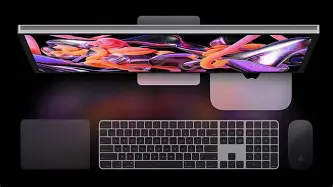
The Apple Studio Display XDR, meanwhile, is one of the few products that made me rethink what’s possible in visual clarity and immersion. But it’s not perfect — the connectivity quirks and high cost make it a luxury for Apple-centric creators rather than a universal recommendation.
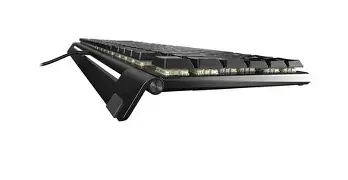
In the end, the best investment depends on what frustrates you most about your current setup. If mediocre keyboards impede your productivity, the Cherry Xtrfy is worth every penny. If color fidelity and screen real estate are mission critical, the Apple Studio Display XDR is almost peerless — as long as you’re ready for its price and peculiarities.
Having lived and worked with both, I can say this: well-chosen peripherals won’t just look good on your desk; they’ll become the quiet backbone of everything you create, edit, and produce.