I Switched to the Roomba 105 and Here is What Happened
Introduction
After years of manual sweeping and occasional vacuuming, the decision to try a budget robot vacuum often comes down to one question: what compromises will be made for convenience? This article examines the real-world experience of switching to the Roomba 105, an entry-level model from a well-known brand. It explores how the device performs in everyday households, what kinds of users benefit most, the maintenance burden, and how it stacks up against other options in the same price band.
The goal here is to provide a practical, third-person evaluation that helps potential buyers understand not just specifications but what the Roomba 105 will actually do in living rooms, kitchens, and homes with pets or small children. The review focuses on cleaning performance, navigation behavior, battery life, noise, and the ongoing costs and chores associated with owning the device.
Detailed Product Review and Analysis
Design and Build
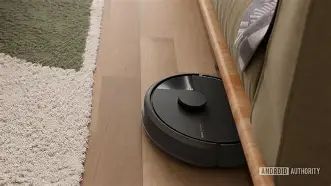
The Roomba 105 follows the classic round chassis seen across many consumer robot vacuums. Its low-profile design allows it to pass under typical sofas and low furniture, and the build is clearly aimed at durability rather than premium aesthetics. Controls are minimal: a large central button for start and spot cleaning, with a docking contact on the rear. The dustbin is top-access and straightforward to empty, but the capacity is modest, which is typical for budget models.
Cleaning System and Consumables
Unlike some higher-end models that employ dual rubberized extractors, the 105 uses the traditional bristle brush and side brush combination. This setup works well for surface debris such as crumbs, dust bunnies, and finer particles on hard floors. On low-pile rugs it performs acceptably, but performance diminishes on thicker carpets and deep-pile areas where brush engagement and suction limitations become apparent. Filters and brushes are user-replaceable, and routine maintenance involves removing hair from the brushes, emptying the bin regularly, and replacing filters every few months depending on usage.
Navigation and Coverage
Navigation on the Roomba 105 is best described as methodical-random. It lacks advanced mapping, GLONASS/GPS, or simultaneous localization and mapping (SLAM) systems found in more expensive models. Instead, it relies on cliff sensors, bump sensors, and an internal algorithm to cover rooms over time. In practice, this means the 105 will eventually clean most accessible floor area, but it can miss tight corners, and it may take longer to achieve full coverage in larger rooms. For small apartments or single-room cleaning, the navigation is usually sufficient. For multi-room homes or homes with complex furniture layouts, coverage can be inconsistent and may require human intervention to move the robot between rooms or to reposition it after it becomes stuck.
Battery Life and Charging
Battery performance varies by the age of the unit, floor type, and how much resistance the brushes encounter. In everyday use, the Roomba 105 typically runs for a duration that allows it to clean smaller apartments or individual rooms on a single charge. The docking and recharge process is automatic when the robot locates its charging base; however, unlike some advanced models, the 105 does not return to complete a job after recharging. Users should expect to monitor larger cleaning tasks or divide them into separate sessions.
Noise and Usability
Noise levels are moderate; the unit is audible but not overwhelmingly loud. It can be present in the background while occupants are working or watching television, but it may be intrusive during conference calls or while sleeping. Usability is a strong suit: the Roomba 105 is plug-and-play with minimal setup. It does not require a smartphone app, Wi‑Fi, or cloud setup — a point in its favor for users who prefer simple electronics without network dependencies.
Maintenance and Running Costs
Routine maintenance for the Roomba 105 is similar to other robot vacuums: empty the bin after each or every other run if debris is heavy, clean hair and tangles from the roll and side brush, and replace filters/brushes periodically. Replacement parts are widely available from third-party suppliers. While consumable costs are lower than maintaining a larger upright vacuum, the frequency of filter and brush replacement can add up over time, especially in homes with pets.
Find top-rated Electronics products at great prices.
Shop Amazon →Performance in Real‑World Use Cases
Small Apartment / Studio
For single-room living arrangements or studios, the Roomba 105 often becomes a helpful daily companion. It keeps dust and crumbs at bay, reducing the need to sweep daily. The random navigation is less of an issue in compact spaces where the robot can thoroughly work the floor repeatedly and cover missed spots quickly during subsequent runs.
Homes with Pets
Pet owners prioritize hair pick-up, allergen control, and the ability to handle dander. The Roomba 105 does a reasonable job picking up loose fur and surface-level hair on hard floors and low-pile rugs. However, heavy shedders or thicker carpets will reveal its limits: hair can wrap around brushes, and suction is not as strong as that of premium models equipped with specialized pet hair systems. Buyers with multiple large pets or long-haired breeds should weigh whether they need a model with more power and tangle-resistant extractors.
Kitchens and High-Traffic Areas
Kitchens benefit from daily automated cleaning to collect crumbs and lint. The Roomba 105 handles scattered food debris well, though caution is advised with liquids; the unit is not designed for wet messes. In high-traffic zones where dirt builds quickly, the 105's frequent passes reduce visible debris but may require spot-cleaning with a handheld or upright vacuum for sticky or embedded dirt.
Multi-Room Houses and Complex Layouts
Large homes with many rooms present the biggest challenge. The lack of mapping means the robot won't reliably move between rooms on its own if there are obstacles or closed thresholds. Users in this scenario often employ multiple docking stations or manually relocate the unit. Coverage over time is possible, but it is less convenient than higher-tier models that map and remember rooms.
Pros & Cons
- Pros:
- Simple, easy-to-use design with no apps or Wi‑Fi required
- Compact profile fits under many pieces of furniture
- Effective at picking up surface dirt and crumbs on hard floors
- Lower initial cost compared with advanced models
- Durable, straightforward maintenance and replaceable parts
- Cons:
- Navigation is not advanced — random-pattern coverage can miss spots
- Limited suction power on high-pile carpets and embedded dirt
- Small dustbin necessitates frequent emptying in busy households
- No app, Wi‑Fi connectivity, or smart home integration
- Does not resume cleaning automatically after recharging
How the Roomba 105 Compares (Relevant Table)
| Feature | Roomba 105 | Typical Budget Competitor | Mid‑Range Model |
|---|---|---|---|
| Navigation Type | Random/methodical, sensor-based | Random/methodical | Mapped navigation (SLAM) |
| Wi‑Fi / App | No | Sometimes no | Yes |
| Ideal Floor Types | Hard floors, low-pile rugs | Hard floors, low-pile rugs | Hard floors, rugs, medium-pile carpets |
| Runtime | Single-room to small apartment (typical session) | Single-room | Longer, multi-room support |
| Dustbin Capacity | Small | Small | Medium to large |
| Maintenance Complexity | Low — simple parts | Low | Moderate — more parts, filters |
| Best For | Budget-conscious, small homes, minimal tech | Budget shoppers | Tech-savvy users, multi-room homes, pet owners |
Buying Guide: What to Consider Before Choosing the Roomba 105
1. Evaluate Floor Types in the Home
Start by assessing the dominant floor types. The Roomba 105 excels on hard floors and low-pile rugs. If most living areas are hardwood, tile, or short-loop carpets, the 105 will likely meet daily cleaning needs. For thicker carpets or area rugs with high pile, consider models with stronger suction and specialized brush systems.
2. Consider Household Size and Layout
Small apartments and single-level homes are ideal for the 105. Larger homes with multiple rooms and thresholds will benefit from a robot that can map and remember rooms or one that supports multi-room routing. If the home layout includes many tight corners, cluttered areas, or thresholds that the robot struggles with, the convenience will be reduced unless the user is willing to intervene periodically.
3. Pet Hair and Allergen Needs
Buyers with pets should weigh the frequency of shedding and the severity of allergies. The 105 picks up daily loose hair well on hard floors, but persistent pet hair on carpets may require an additional upright vacuum or a mid-range robot vacuum designed for pet hair with tangle-free extractors and stronger suction.
4. Desire for Smart Features
One of the 105’s defining attributes is its simplicity: no Wi‑Fi, no app, no scheduling from a phone. For users who prefer minimal connectivity and a single-button operation, this is a benefit. Those who want to schedule runs remotely, receive notifications, or integrate the device into a smart home should consider models with app control.
Shop the latest Electronics picks on Amazon.
Browse Now →5. Maintenance Willingness
Owning a robot vacuum still requires human upkeep. If regular emptying, brush cleaning, and occasional replacement of filters and brushes is acceptable, the Roomba 105 fits well. If the user wants a near-zero maintenance option, higher-end models often offer larger bins and specialized designs that resist tangling.
6. Budget and Value Assessment
The Roomba 105 is positioned for buyers prioritizing brand reliability and simplicity on a tighter budget. When comparing value, factor in the cost of consumables and the expected lifespan. In many cases, the convenience of daily automated cleaning offsets the price of replacement filters and brushes over the long term.
7. Noise Sensitivity
If the user needs a very quiet operation for daytime naps, baby rooms, or remote work calls, check noise levels. The 105 is not the quietest on the market, but it is within a tolerable range for most households when not in rooms where silence is required.
8. Replacement Parts and Support
Verify the availability of replacement brushes, filters, and batteries in the buyer’s region. The Roomba platform is popular enough that parts are generally easy to source, and iRobot provides documentation for maintenance. Ensuring access to parts extends the product’s useful life.
Practical Tips for Getting the Most from a Roomba 105
- Clear small obstacles and cords from floor areas before starting runs to reduce entanglements and jams.
- Establish a routine cleaning schedule using the on-device controls; running the robot more frequently reduces deep buildup and improves overall cleanliness.
- Keep pivoting furniture legs and cables elevated or taped down to avoid traps.
- Store spare filters and brushes on hand to reduce downtime when replacements are needed.
- Use boundary methods (physical barriers or closed doors) to limit the robot to specific rooms during testing and to improve coverage over time.
Conclusion
Switching to the Roomba 105 delivers a clear trade-off: the convenience of automated cleaning and a straightforward, durable design in exchange for fewer advanced features and less powerful performance on heavy carpets. For buyers with small-to-medium living spaces, mostly hard floors, and a preference for simple, reliable operation without app dependencies, the 105 is a sensible choice that meaningfully reduces daily sweeping and spot vacuuming. It is less appropriate for large, multi-room homes, heavy pet shedding, or users who expect smart scheduling and mapping capabilities.
Ultimately, the Roomba 105 is a pragmatic, no-frills entry point into robot cleaning. It does not promise perfect, hands-off cleaning for every situation, but it does provide a dependable baseline of convenience that many households will appreciate. Users who understand its limits and apply the practical tips above will find that it often will be "good enough" for the daily grind — removing crumbs, chasing dust, and keeping floors presentable between deeper cleanings.