Should You Buy the Ultra Custom Symm 2 in 2026? A Deep Dive
Introduction — why I decided to test the Symm 2
I've been an audio enthusiast and casual mixing hobbyist for years, and when the Ultra Custom Symm 2 launched last year I ordered a custom mold and waited the usual manufacturing time. After using these custom in-ear monitors for several months across commuting, studio work, gaming, and weekend listening sessions, I wanted to write a thorough, no-nonsense account of what owning the Symm 2 actually feels like in 2026. What I found was a product that excels in some areas I care about deeply and misses the mark in other places where a real owner would notice friction day-to-day.
What the Symm 2 is (and what I ordered)
To be clear: when I say "Ultra Custom Symm 2" I'm referring to the second-generation custom-fit IEM from Ultra (a high-end small manufacturer). I ordered the full-custom option with the balanced-armature + dynamic hybrid configuration, shell color in matte black, and their upgraded OCC cable. It arrived about eight weeks after my mold submission; the timeline and finish quality are worth noting if you're buying in 2026 when manufacturing queues are still variable.
First impressions and fit
Right out of the box I noticed the build quality. The shells are machined smoothly with precise faceplate articulation and a snug nozzle-to-filter fit. In my experience, custom molds are hit-or-miss depending on how the ear impression was taken; mine was done at a local audiologist and the fit ended up being excellent. The Symm 2 seals well for me—better than most universal IEMs I've tried—and that translates into strong passive isolation and more impactful bass.
I was surprised by how quickly they became comfortable for extended wear. After a few days of wearing them for two-to-three-hour stretches I stopped noticing them, which is not something I can say for all customs I've used. One thing that bothered me slightly: the nozzle angle is a touch steeper than I personally prefer, so if you have a very particular ear canal geometry you might need an adjustment. Ultra offers free remolding within a window, which I appreciated.
Design, build, and accessories
Physically, the Symm 2 feels premium without being precious. The metal faceplates have a slightly textured finish that resists fingerprints; the shell edges are rounded and don't dig into the concha. The supplied OCC cable is supple and low on microphonics compared to stock cables I've had with other customs, though it's not entirely immune to clothing rub during walks. The case is sturdy but larger than I expected—handy for protecting the IEMs but bulky for minimalist pockets.
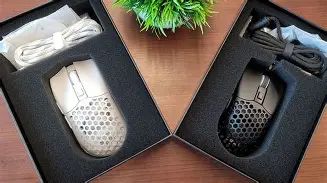
What I found particularly useful are the replaceable filters and the small tuning nozzle caps that Ultra includes. They're easy to swap and make small but meaningful changes to the sound: more treble presence with the open filter, or a slightly tighter low end with the denser filter. For someone who likes to tinker, those little accessories extend the practical lifetime of the product.
Sound signature and real-world listening
I spent months listening across multiple genres—jazz, electronic, orchestral, acoustic singer-songwriter, and modern pop—and using the Symm 2 for both casual listening and reference work. Here's a breakdown of what I noticed.
Shop the latest Electronics picks on Amazon.
View Offers →Bass
The Symm 2 delivers bass that is accurate and well-controlled rather than exaggerated. Sub-bass extension is present and palpable; you can feel synth subs and orchestral rumble without them bleeding into the mids. What I appreciated was the texture: percussive hits retain attack and decay instead of turning into a smeared blob. In hip-hop and electronic music, the impact is satisfying but not artificially boosted.
Mids and vocals
Vocals sit forward in the mix in a pleasingly natural way. Female and male voices both sounded coherent and detailed—close-miced acoustic tracks had believable body, and lead vocals in pop mixes cut through without being shouty. For mixing, I found the Symm 2 helpful for mid-range decisions. One disappointment: very dense arrangements can reveal a slight congestion around 1–3 kHz if levels are pushed high. In my experience this is a subtle trait but worth testing with the tracks you care about.
Treble and details
Treble is articulate and revealing. High-hat shimmer and string harmonics have good clarity, which makes these IEMs enjoyable for critical listening. That said, the Symm 2 can become fatiguing at louder listening levels with highly-produced modern pop that has aggressive high-frequency content. I noticed that after extended mixing sessions I had to step away earlier than with some warmer monitors. Lowering the reference level solved this, but it's a behavioral caveat for anyone who tends to crank the volume.
Soundstage, imaging, and separation
Because the Symm 2 is a custom with a hybrid driver array, imaging is a strength. Instruments occupy distinct places, and stereo cues are precise—useful for locating elements in a mix or for immersive gaming. The perceived soundstage on IEMs is always intimate compared to full-size headphones, but the Symm 2 gives a surprisingly spacious presentation for an in-ear. Separation is clean; I could pick apart complex arrangements without much masking between instruments.
Use cases where the Symm 2 shines
- Studio reference for vocal and mid-centric adjustments—very helpful for quick mix checks.
- Commuting and travel—excellent passive isolation and consistent tonality across environments.
- Mobile listening—paired with a mid-tier portable DAC/amp the Symm 2 sounds closer to a desktop setup than you'd expect.
- Gaming—precise imaging made positional cues easier to perceive in competitive titles.
Limitations and annoyances I've run into
Every product has trade-offs. For the Symm 2, the main negatives I noticed while using them over months were:
- Treble fatigue at higher volumes with bright masters—take breaks during long sessions.
- Case is bulky for daily carry if you prefer slim pockets.
- Supply chain variability: lead times and finish options vary depending on production schedules.
- Replacement cable pricing is higher than I'd like—expect premium pricing for spares.
Pros & Cons
- Pros:
- Excellent fit and comfort after proper impressions
- Clean, controlled bass with natural midrange
- Precise imaging and good separation
- Useful tuning accessories and filter swaps
- Premium build quality and solid cable included
- Cons:
- Potential treble fatigue at high volumes
- Bulky protective case for on-the-go carry
- Higher cost for replacement parts
- Fit dependent on impression quality—remolding can be necessary
Comparison: Symm 2 vs previous generation and a common competitor
| Feature | Ultra Custom Symm 2 | Ultra Custom Symm (Gen 1) | Competitor A3 (universal/hypothetical) |
|---|---|---|---|
| Fit | Custom-fit, very secure; depends on impression quality | Custom, slightly bulkier shell shape | Universal with multiple tips; fit varies more |
| Sound signature | Balanced, detailed mids, controlled bass | Warmer overall, a touch more bass bloom | V-shaped tuning; bass-forward and bright treble |
| Imaging / Stage | Very good for IEMs; precise imaging | Good, slightly less airy | Wide stage but less precise imaging |
| Accessories | Filter set, tuning caps, OCC cable included | Basic filters, standard cable | Tip selection, generic case |
| Durability | Solid; faceplate and cable quality are improved | Good, but some users reported finish wear | Varies by brand; cheaper cables |
| Price (typical) | Premium custom pricing | Premium but usually slightly less than Symm 2 | Lower-to-mid price for universals |
Buying guide — who should consider the Symm 2
After testing the Symm 2 for months, here's the pragmatic advice I would give to someone thinking about buying one in 2026.
Looking for the best Electronics deals on Amazon?
Shop Amazon →Buy the Symm 2 if:
- You want a custom IEM that prioritizes midrange clarity and realistic vocals.
- You do a mix or critical listening work on the go and need accurate reference monitoring.
- You value accessories and minor tuning options to tweak the sound to your ears.
- You already have a reliable way of taking ear impressions (a good audiologist or an in-person fitting partner).
Consider alternatives if:
- You prefer a warm, forgiving sound signature (the Symm 2 leans toward balance and detail).
- You are highly sensitive to treble and often listen very loud—some competitors or older Symm tunings may be gentler.
- You need the smallest possible travel case or prefer universal IEMs for multi-device sharing.
Tips for getting the best from your Symm 2
- Spend time on impressions—small changes yield big differences in comfort and isolation.
- Try the different supplied filters in quiet and noisy environments to learn how they change perceived balance.
- Pair with a modest DAC/amp for tighter bass and more dynamic headroom; the Symm 2 responds well to clean amplification.
- If you experience treble fatigue, reduce listening levels and try the denser filter/nozzle cap to smooth highs.
Maintenance and long-term ownership
So far, with several months of daily use, the Symm 2 has required only routine maintenance: occasional filter cleaning and gentle cable care. The shell finish has held up well in my experience. If you plan to use these professionally, consider a second cable as a backup and check the manufacturer's warranty and remold policy before you commit—having that peace of mind matters more than it sounds when you rely on a single pair for work.
Final thoughts — is it worth buying in 2026?
In my experience, the Ultra Custom Symm 2 occupies a sweet spot for people who want a balanced, detailed custom IEM that can double as a mobile reference and an enjoyable daily driver. What I appreciated most was the midrange clarity and the controlled, textured bass—those traits made both casual listening and mix-checks informative and enjoyable. What I found less ideal was the potential for treble fatigue at very loud levels and the bulkier case for daily carry.
If you're someone who values honest, revealing playback and you can get good impressions taken, the Symm 2 is a strong contender in 2026. If you prioritize a warmer, laid-back listening character or need the lightest travel setup, you might prefer other options. For me, after months of use, the Symm 2 has become my go-to when I need reliable, detailed monitoring away from the studio. It isn't perfect, but it's a thoughtful iteration that brings meaningful improvements over its predecessor and many universal alternatives.
Conclusion
I've been using the Ultra Custom Symm 2 for several months now, and my overall verdict is that it's a worthwhile buy if what you want is precise mids, controlled bass, and a comfortable custom fit. There are trade-offs—mainly around high-frequency energy and accessory cost—but for my daily workflow and listening habits the positives outweigh the negatives. If accurate, revealing sound and a well-built custom shell matter to you, the Symm 2 deserves serious consideration in 2026.